 Get Affordable Tree Service
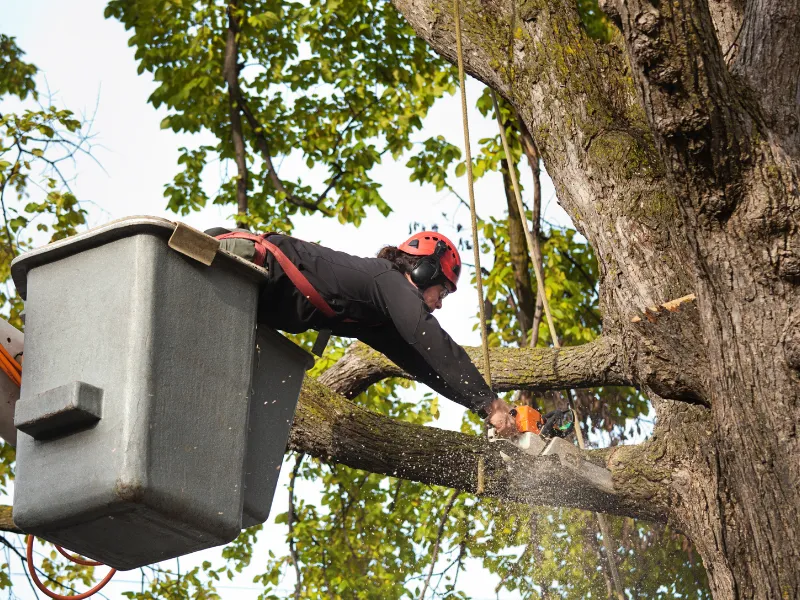
Tree Pruning Tips: How to Trim Trees the Right Way at the Right Time
Knowing how and when to prune your trees keeps them strong, safe, and beautiful. These tree pruning tips will guide you through proper timing, safe methods, and smart trimming practices that protect your trees year after year.
This guide explains when to prune trees, the worst time to prune trees, and how to perform proper tree pruning at home.
Why Tree Pruning Matters
Tree pruning keeps your trees healthy, improves safety, and enhances their natural shape. Every branch cut affects the tree’s growth. Done right, pruning:
- Removes dead, damaged, or diseased limbs.
- Encourages strong, balanced growth.
- Improves sunlight and air circulation.
- Reduces storm-related risks.
- Keeps driveways and walkways clear.
Regular pruning also strengthens your trees’ structure and helps them resist harsh weather.
When to Prune Trees
The best time to prune depends on your tree’s type and growth cycle. Timing affects how quickly your trees recover and how they grow afterward.
1. Late Winter to Early Spring
This is the ideal season for most trees. During dormancy, pruning supports strong spring growth and lowers disease risk. With no leaves in the way, it’s easier to see the shape and structure of the tree.
2. After Flowering (Spring)
For flowering trees, wait until after they bloom. Pruning too early removes buds that form next season’s flowers.
3. Summer
Summer pruning helps manage growth and shape. It’s great for removing small shoots or water sprouts that appear after spring.
4. Fall
Fall is the worst time to prune trees. Fresh cuts made before dormancy invite decay and slow healing. Trees need time to prepare for winter, not new growth.
The Worst Time to Prune Trees
Avoid heavy pruning in late fall or during hot, dry periods. Cutting branches when trees are stressed or entering dormancy can weaken them.
Never prune too early in spring if your trees flower, and never over-trim during summer heat. Waiting for the right season ensures stronger, healthier trees.
How to Trim a Tree the Right Way
Learning how to trim a tree properly prevents damage and keeps it healthy for years. Use these steps for proper tree pruning at home.
1. Inspect the Tree
Check for dead, broken, or crossed branches. Note any that rub together or grow inward. Also, look for limbs that hang too low over roofs or paths.
2. Use Sharp, Clean Tools
Use:
- Hand pruners for small branches.
- Loppers for medium limbs.
- A pruning saw for thicker cuts.
Clean your tools before and after pruning to prevent disease spread.
3. Follow the 3-Cut Method
This method protects bark and helps healing.
- Cut the branch underside 6–12 inches from the trunk.
- Make a second cut a few inches farther out until the branch falls.
- Finish with a clean cut just outside the branch collar.
4. Don’t Over-Prune
Never remove more than a quarter of a tree’s canopy at once. Over-pruning stresses the tree and slows recovery.
Proper Tree Pruning for Different Goals
Every tree and purpose requires a different approach.
Health Pruning
Remove diseased, dead, or insect-infested wood to stop decay and encourage healthy growth.
Structural Pruning
Shape young trees by removing weak or crossing branches early. This builds strong form and balanced structure.
Aesthetic Pruning
Maintain your tree’s natural beauty with light shaping that enhances symmetry and curb appeal.
Safety Pruning
Cut back branches that hang near roofs, walkways, or driveways. This reduces the risk of property damage during storms.
Common Pruning Mistakes to Avoid
Even with good intentions, improper cuts can harm trees. Avoid these mistakes:
- Topping trees to reduce height.
- Cutting too close to the trunk.
- Leaving long stubs.
- Removing too much at once.
Each mistake can lead to decay, weak regrowth, or uneven balance. When unsure, call a local arborist for guidance.
Signs That Trees Need Pruning
Watch for these signs that it’s time to prune:
- Hanging or broken branches.
- Overgrowth blocking sunlight.
- Branches scraping your roof.
- Dense canopies with poor airflow.
- Visible disease or cracked bark.
Pruning at the right time can restore balance, safety, and strength.
DIY or Hire a Local Arborist
Homeowners can handle small trimming, but larger pruning often needs professional help. A local arborist understands tree biology and safe cutting practices.
They know how to trim tree limbs correctly and can manage large branches or tall trees safely. Professional care ensures your trees grow strong and stay healthy without unnecessary stress.
Conclusion
Tree pruning takes patience and timing. By following these tree pruning tips, you’ll keep your trees healthy, attractive, and safe for years. Learn when to prune trees, avoid the worst time to prune trees, and always focus on proper tree pruning for long-term health.
With the right approach, pruning supports stronger structure, better air flow, and natural beauty.
How Summit Tree Care Pros Can Help
At Summit Tree Care Pros, we provide reliable tree care services in Burnsville, MN. Our certified arborists handle tree pruning, trimming, and removals with care, efficiency, and safety. We’re fully licensed and insured, and we have the equipment to complete every job smoothly at an affordable cost. From start to finish, our team focuses on quality work, fair pricing, and friendly customer service.
Call (612) 471-6902 today for your quote and let Summit Tree Care Pros keep your trees strong and beautiful.