 Get Affordable Tree Service
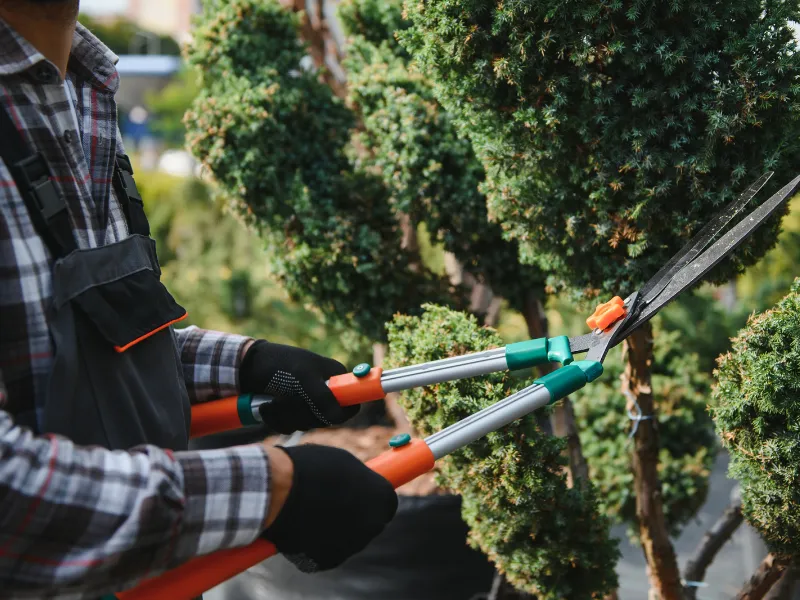
What Is Tree Trimming and Why Is It Important for Healthy Trees?
If you’ve ever wondered what tree trimming is and why professionals emphasize it so much, you’re not alone. Many homeowners see tree trimming as a cosmetic task, but it’s actually one of the most important parts of maintaining a healthy landscape.
Tree trimming isn’t just about shaping branches, it’s about improving safety, promoting proper growth, and protecting your home and yard from potential damage. At Summit Tree Care Pros, we’ve seen firsthand how regular trimming can make the difference between thriving trees and those struggling with disease or structural weakness.
In this guide, we’ll explain what tree trimming is, when to trim trees, and how it benefits both your property and your trees’ long-term health.
What Is Tree Trimming?
Tree trimming is the process of selectively removing branches to maintain or improve a tree’s structure, health, and appearance. Trimming combines both functional and aesthetic goals, helping trees grow strong and look their best.
When done correctly, trimming removes excess or overgrown branches that compete for sunlight and nutrients. It also eliminates weak, dead, or hazardous limbs that could fall during storms.
The Goal of Tree Trimming
- Improve the tree’s overall structure and balance.
- Allow sunlight and air circulation through the canopy.
- Prevent disease by removing infected or decaying branches.
- Protect nearby structures, roofs, and power lines.
- Enhance curb appeal and landscape symmetry.
Why Tree Trimming Is So Important
Healthy trees don’t just happen by chance. Regular trimming is a critical maintenance step that prevents many common tree problems before they start.
1. Promotes Healthy Growth
Trees need a proper structure to grow evenly. When branches become overcrowded, the canopy blocks airflow and sunlight, limiting growth. Trimming allows light to reach interior branches and helps new shoots develop strong and balanced.
2. Prevents Property Damage
Overgrown limbs can pose serious risks. Heavy or unbalanced branches might break off during wind, rain, or snow, potentially causing damage to roofs, vehicles, or fences. By removing hazardous limbs early, trimming keeps your property safe year-round.
3. Reduces the Risk of Disease
Deadwood and weak branches are breeding grounds for pests and fungal infections. Cutting away infected areas helps contain the spread and supports the tree’s natural healing process.
4. Improves Safety for People and Pets
Low-hanging or cracked limbs can create unsafe conditions around your home. Proper trimming ensures walkways, driveways, and play areas remain clear and hazard-free.
5. Enhances Curb Appeal
Well-trimmed trees add beauty, symmetry, and value to your property. A neatly maintained landscape signals care and attention, something prospective buyers notice immediately.
Different Types of Tree Trimming
Not every tree requires the same approach. Depending on the condition, age, and purpose of the tree, arborists use specific trimming techniques to achieve the best results.
1. Crown Thinning
Crown thinning removes select inner branches to improve air circulation and light penetration. This technique helps prevent wind resistance and branch breakage during storms.
2. Deadwood Removal
Removing dead, dying, or diseased branches prevents decay from spreading and reduces potential hazards. This is one of the most common maintenance tasks in tree care services.
3. Crown Raising
This type of trimming removes lower branches to increase vertical clearance for driveways, sidewalks, or sightlines. It’s especially important for trees near streets or homes.
4. Crown Reduction
Crown reduction involves cutting back the overall height or spread of a tree without compromising its structure. It’s ideal for trees growing too close to buildings or power lines.
5. Shaping and Aesthetic Trimming
This technique focuses on symmetry and visual appeal. It’s often used in residential landscaping to complement garden design or improve sunlight distribution to lawns and flowerbeds.
When to Trim Trees
Knowing when to trim trees is just as important as knowing how. Timing affects how well a tree responds and heals after trimming.
1. Best Time of Year
In most cases, late winter to early spring, before new growth starts, is the ideal time for trimming. The tree is dormant, meaning there’s less stress and a lower risk of disease transmission.
However, light shaping or removal of deadwood can be done year-round as needed.
2. Avoid Heavy Summer Trimming
While it’s safe to remove small branches or deadwood during summer, heavy trimming can cause stress and excessive sap loss. It’s better to wait until the cooler months for major cuts.
3. Seasonal Considerations in Burnsville, MN
Minnesota’s cold winters and stormy summers make seasonal trimming essential. Proper winter preparation helps trees stay strong through snow and ice, while spring trimming clears away storm-damaged or weakened limbs.
How to Trim a Tree the Right Way
Many homeowners search how to trim a tree or how to trim tree branches hoping for an easy DIY fix. While minor trimming can be done safely at home, larger or high-branch work should always be handled by professionals.
Here’s a general step-by-step overview of safe trimming practices:
Step 1: Inspect the Tree
Look for dead, broken, or crossing branches. Pay attention to any that block sunlight or touch structures.
Step 2: Choose the Right Tools
Use sharp, clean shears or a pruning saw for small branches. Larger limbs may require specialized saws or chainsaws, best handled by trained arborists.
Step 3: Make Proper Cuts
Cut just outside the branch collar (the raised area where the branch meets the trunk). Avoid cutting too close or leaving long stubs, which can lead to decay.
Step 4: Work Safely
Always wear gloves, eye protection, and sturdy footwear. Never climb tall trees or use ladders on unstable ground.
Step 5: Know When to Call the Pros
If branches are large, high up, or near structures, it’s time to call a local arborist. Professionals have the training, equipment, and insurance to ensure the job is done safely and efficiently.
Common Mistakes to Avoid When Trimming Trees
Improper trimming can do more harm than good. Avoid these common errors to keep your trees healthy:
- Topping: Cutting off the top of a tree weakens its structure and leads to irregular growth.
- Over-Pruning: Removing too much at once stresses the tree and slows recovery.
- Rough Cuts: Jagged cuts can invite pests and disease.
- Trimming During Growth Spurts: Cutting during rapid growth periods may interfere with nutrient distribution.
- Ignoring Tree Type: Different species have unique trimming needs, oaks, maples, and pines all respond differently.
The Benefits of Professional Tree Trimming
Hiring certified arborists, like our team at Summit Tree Care Pros, ensures the work is completed correctly and safely. We use specialized tools and methods that protect your trees and property.
What You Gain with Professional Care
- Safer, faster results with no risk to your home or yourself.
- Proper diagnosis of disease or structural issues.
- Long-term improvement in tree strength and growth.
- Clean, uniform appearance that enhances curb appeal.
- Complete debris cleanup once trimming is done.
Our professional team knows exactly when to trim trees for each species common in Burnsville, MN, helping you maintain a beautiful, hazard-free yard year-round.
Tree Trimming vs. Tree Pruning: What’s the Difference?
Although often used interchangeably, trimming and pruning serve slightly different purposes.
- Tree Trimming: Focuses on shaping and maintaining appearance while ensuring safety and balance.
- Tree Pruning: Centers on the tree’s internal health, removing diseased or damaged limbs to promote vitality and structural integrity.
A healthy tree care plan should include both. Regular trimming keeps your landscape neat, while pruning supports strong, long-lasting growth.
Why Regular Tree Maintenance Matters
Consistent maintenance is key to extending your trees’ lifespan and keeping your property looking its best. Waiting until limbs break or disease spreads often leads to higher repair costs or full tree removal.
Routine trimming:
- Detects early signs of decay or insect activity.
- Keeps trees structurally balanced.
- Minimizes emergency calls after storms.
- Ensures compliance with city and neighborhood safety regulations.
Keep Your Trees Healthy and Beautiful
Tree trimming plays a vital role in keeping your yard safe, healthy, and visually appealing. Whether you’re learning how to trim a tree back or deciding when you should trim trees, remember that timing, technique, and experience make all the difference.
Healthy trees start with regular attention, and with Summit Tree Care Pros, you’ll have a trusted local partner to guide the process from start to finish.
How Summit Tree Care Pros Can Help
We provide safe, affordable, and professional tree trimming services across Burnsville, MN and surrounding areas. Our certified arborists understand how to maintain your trees’ natural beauty while improving safety and longevity.
We handle everything from shaping and thinning to full cleanup after the job, ensuring your property looks clean, open, and well-maintained. If you want to keep your trees strong, healthy, and beautiful, give us a call today at (612) 471-6902 or request your free estimate now.